
 HVAC
HVAC“Wil and I both grew up surrounded by family members working in the trades. It’s been so nice to see someone who knows the industry champion folks that work so hard.”
Adam BardiCEO · Bardi Heating & Air · GeorgiaIt’s the same structure large companies have used for fifty years, finally sized for the trades.
START YOUR APPLICATION →A contractor-owned warranty program is exactly what it sounds like: the warranties your shop already sells run through a company you own or participate in, instead of one you don’t.
Which of the two depends on your size. Larger shops stand up their own company. Smaller ones join a shared program and take a share of what it earns. Either way, the money stops leaving.
The easiest way to understand it is to look at who notices.
The warranty stops being a promise you make and becomes something you hold, which is why it behaves differently on your P&L today and in a sale later.
We build and run it either way. The legal structure, the filings, the actuarial work, the claims desk and the paperwork are ours. You keep running your shop, and you keep the profit, the customer, and the asset.
Where the money goes
You already sell the warranties. Somebody is already collecting on them. The only question this section answers is who. Move the sliders to your real volume and watch the number.
Either you keep handing the money to another warranty company, or you own it yourself — an investment for you, your team, and your future.Aaron GaynorFounder, ECO Plumbers
Owners who bet on themselves, and stopped handing their warranty profits to someone else.
HVAC MULTI
MULTI MULTI
MULTI MULTI
MULTI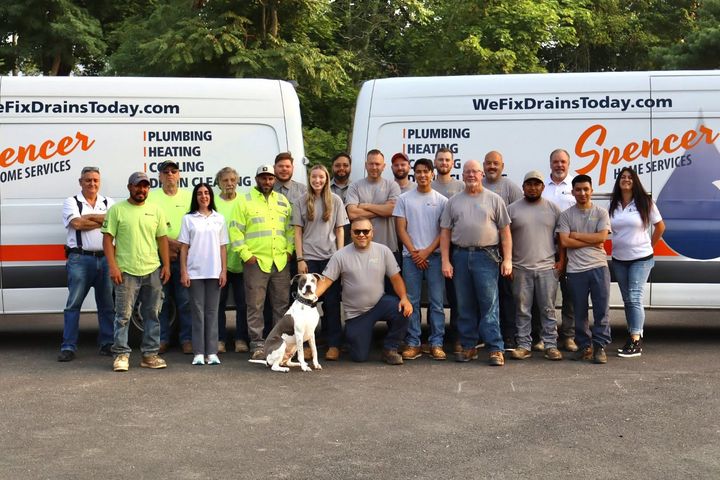 HVAC
HVAC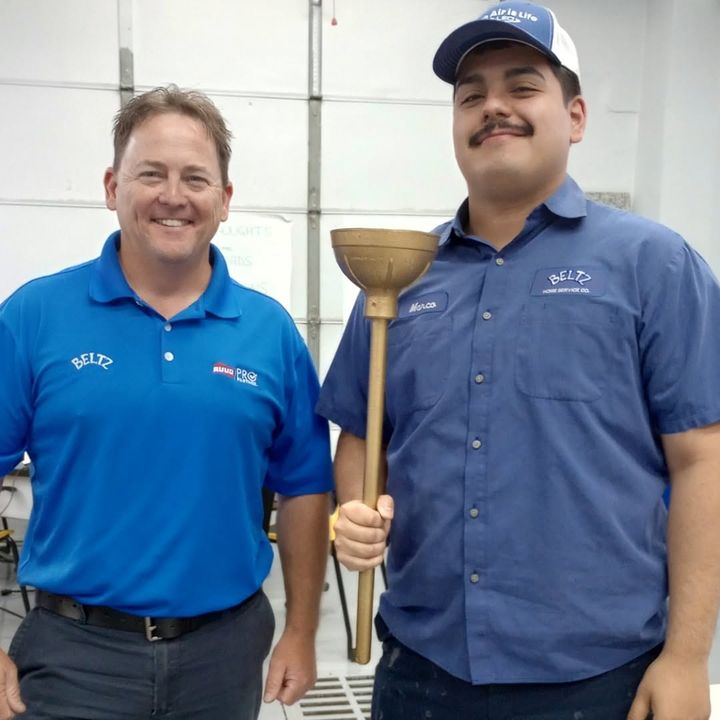 MULTI
MULTI MULTI
MULTI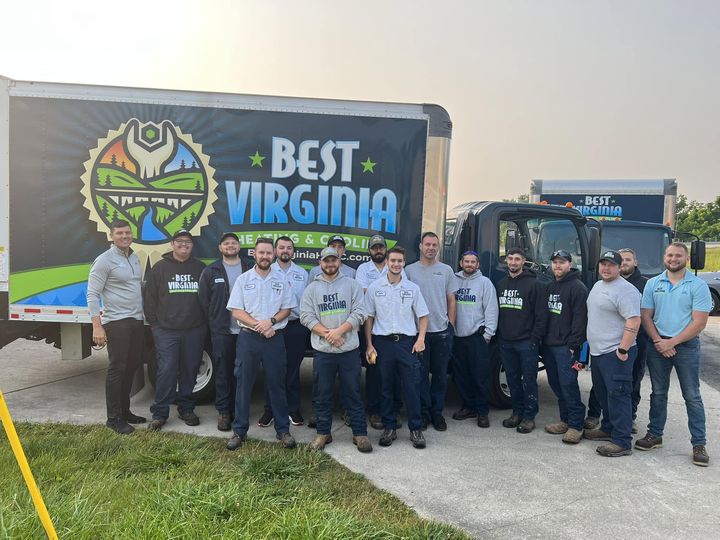 HVAC
HVACReal owners. Real shops. Real programs running today.


Fair question, and the honest answer is that the how is our job, not yours. The short version: we handle the legal structure, the compliance, the actuarial work, and the administration. You keep running your shop. It takes about an hour of your time to get set up, and from there the program runs quietly in the background, the way it’s supposed to.
The full mechanical breakdown lives on our How It Works page. And the specifics for your shop come from a real conversation, not a web page.
The signup process with Conduit was incredibly easy. Fill out the form, scan it, send it back. I don’t know how it could get much easier.John CaruthersBest Virginia
Here’s the thing most owners never stop to see: a warranty company isn’t really in the repair business. It’s in the float business: collecting money now against work that may come later, and keeping the difference. And you? You’re already in that business. You’ve been running it for years. You just handed the profitable part to someone else.
Owning your warranty is simply keeping what you’ve been giving away. It’s not a new venture or a leap of faith. It’s betting on the business you already built with your own hands, the one you already carry the risk for, already stand behind, already made work.
You bet on yourself the day you started this shop. This is just collecting on that bet.
More on where the money goes today, what your current program costs you, and the questions owners ask before they start.
It means the warranty coverage your shop sells is run through a program you own, rather than a third party’s. The revenue and profit stay in your business, you control how the program works, and it becomes an asset on your books. Conduit handles the legal, compliance, and administrative side; you keep running your shop.
Yes. It’s the same kind of structure large companies have used for decades to keep risk and profit in-house, now built for trades businesses. The setup and administration are handled for you; it takes about an hour of your time to get started.
Because with a third party, all the warranty revenue and profit is theirs, and you hand off your customer relationship at claim time. Owning it keeps the profit in your business, gives you control over the customer experience, and builds an asset that adds to your value when you sell.
Yes. It’s built for home-service trades businesses generally, including HVAC, plumbing, and electrical shops with the volume to make a program worth running.
The shops that figured this out aren’t smarter than you. They just stopped handing it away.
Shops running an owned warranty program