 HVAC
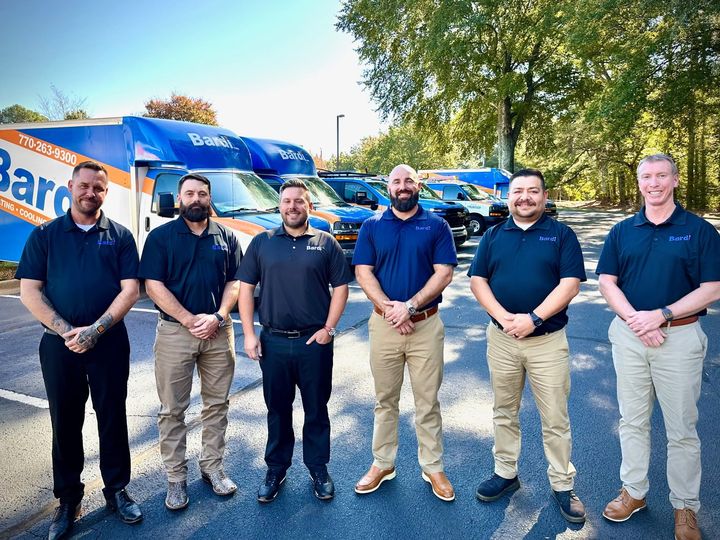
HVAC“Wil and I both grew up surrounded by family members working in the trades. It’s been so nice to see someone who knows the industry champion folks that work so hard.”
Adam BardiCEO · Bardi Heating & Air · GeorgiaOne of them shows up in your valuation. The other shows up as a discount.
START YOUR APPLICATION →When a serious buyer looks at your shop, they're running a checklist. Some of what they find raises your price. Some quietly knocks it down, often without anyone saying so out loud. And one of the first things that worries them is how you handle warranties.
Most shops run some version of an in-house warranty: a labor guarantee, a handshake promise to stand behind the work. It feels like good customer service. But to a buyer, an informal, undocumented warranty obligation is a liability sitting on your books that nobody's accounted for. In diligence, that's exactly the kind of surprise that drops your price or kills the deal.
And it cuts the other way too: if a third party runs your warranty program, all that recurring warranty revenue, and its profit, belongs to them, not you. You're handing a buyer someone else's annuity and getting no credit for it.
Either way, the warranty program you're running right now is probably costing you at the table instead of adding to your number. We'll show you the fix in a minute. Here's the rest of the buyer's checklist:
Mike Barnhart is co-owner and CFO of ECO Plumbers in Columbus. He walks through what a buyer’s team digs into when they size up a shop — and where the warranty program lands in that conversation.
When you sell
The shop goes to a buyer. What happens to the warranty company is a decision you make separately, and every version of it stays yours until you say otherwise.
When the value lands
The warranty company is valued and sold alongside the shop.
You keep the company and stop writing. Conduit runs the remaining claims out to expiry.
The purchase agreement can require the buyer to keep writing into your warranty company.
Shape, not scale. The curves show timing only and imply no amounts. Deal structures vary. Conduit supports the negotiation but does not provide tax, legal, or valuation advice.
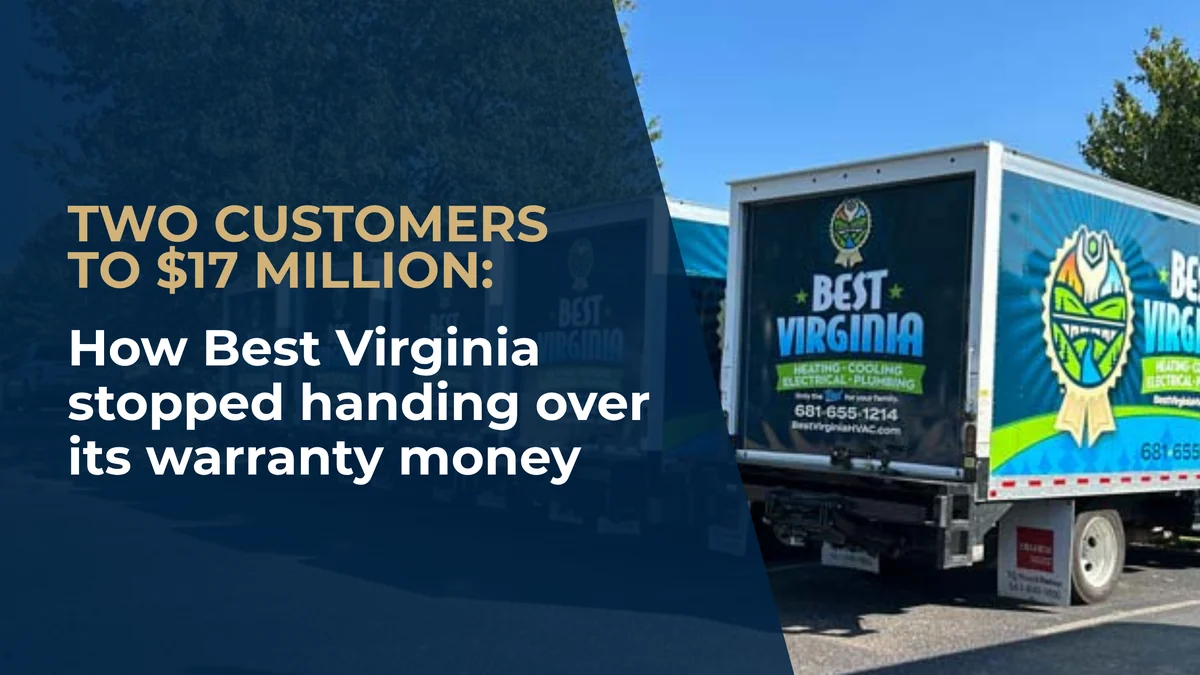
Hear directly from owners who bet on themselves, and stopped handing their warranty profits to someone else.
HVAC MULTI
MULTI MULTI
MULTI MULTI
MULTI HVAC
HVAC MULTI
MULTI MULTI
MULTI HVAC
HVACEverything that makes an informal warranty a problem flips when it's owned and structured properly. That same program becomes recurring, contracted, high-margin revenue attached to your installed base, exactly the quality of earnings a buyer pays a premium for. Owned properly, it does three things at the closing table:
Structuring it that way is exactly what we do. Conduit takes the warranty program you're already running and turns it into a real, owned asset that shows up on your balance sheet, and in your sale price. White-collar strategy, built for the trades, by people who came from them.
More on what buyers pay for, who’s buying, and how the warranty asset actually gets built.
Prepare the company to be attractive to a buyer: clean financials, recurring revenue, a business that runs without you. Then find the right buyer and negotiate a price, usually as a multiple of your earnings. The most valuable preparation happens one to two years before you list. One of the highest-return moves: turning your warranty program into an owned, structured asset instead of an informal liability.
Typically a multiple of EBITDA. The multiple depends on size, growth, how much revenue is recurring, and how cleanly the business runs. The quality of your earnings can move the multiple as much as the size of the business.
It varies widely by size and quality. What raises the price: recurring revenue, clean books, low concentration, a business that doesn't depend on the owner. What lowers it: messy financials, surprises in diligence, unpredictable revenue.
It can. A warranty program is recurring, contracted revenue, the kind buyers pay a premium for. Owned and structured properly, it adds to your multiple and clears diligence clean. Restructuring it into an owned asset is exactly the work Conduit does with trades owners.
Shops running an owned warranty program