

 HVAC
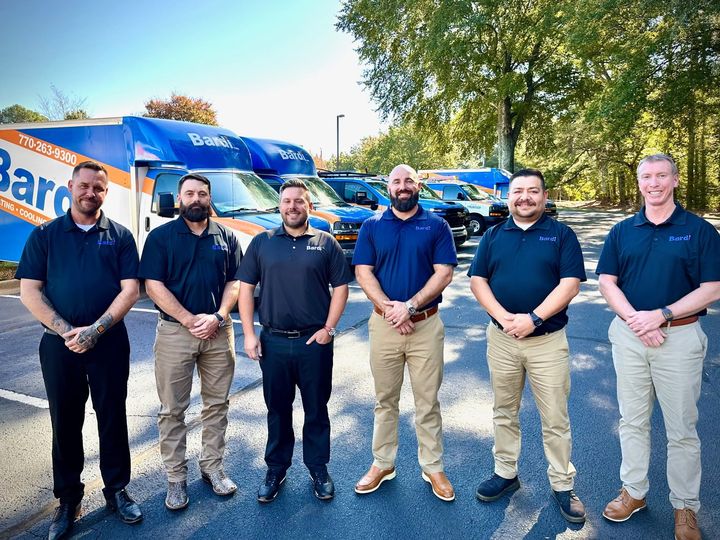
HVAC“Wil and I both grew up surrounded by family members working in the trades. It’s been so nice to see someone who knows the industry champion folks that work so hard.”
Adam BardiCEO · Bardi Heating & Air · GeorgiaYour techs sell the same way. Your customers call the same number. What changes is where the warranty money lands, and what it’s worth the day you sell.
Start with what’s already true: every time your shop sells a warranty, you’re collecting money now against work that might happen later. That’s a real financial engine, and you’re already running it. The only question is who owns it.
For most shops, one of two things is happening. Either you run an informal in-house warranty, with risk on your books and no structure to handle it. Or a third party owns the program, so the money and the profit are theirs.
There’s a third way, the one large companies have used for decades: you own the program, through a properly structured entity built for exactly this. It’s called a captive: a warranty or insurance program owned by the business it serves, instead of an outside company. The profit stays in your world. It’s structured, compliant, and professionally run. Not a handshake.
The specifics of how it’s structured for your shop are a conversation, because the right setup depends on your size, your volume, and your goals, and getting that right matters more than anything a web page could tell you. But the idea is simple: the program you’re already running, owned by you, built properly.
What happens for you
That’s the model. Here’s what it actually looks like for your shop, and how little of it lands on you.
An application first, then a real conversation. We look at your size and volume, and tell you honestly if it’s a fit.
The heavy part, entirely ours: legal structure, compliance, actuarial work, administration. We stand the whole thing up.
Nothing about how you sell changes. Invisible to your customers and your day-to-day. It runs quietly in the background.
The profit stays home. Your warranty wins jobs at the kitchen table. And at exit, the program shows up in the price.
I was worried how much work it’d be. Conduit handled everything. Each month I run one report out of ServiceTitan, send the money over, and get a statement back showing what we’ve built. Simplest thing I’ve ever done.Mike BarnhartCo-owner & CFO, ECO Plumbers
Hear directly from owners who bet on themselves, and stopped handing their warranty profits to someone else.

“Either you keep handing the money to another warranty company, or you own it yourself — an investment for you, your team, and your future.”
AARON GAYNOR · FOUNDER, ECO PLUMBERS
HVAC MULTI
MULTI MULTI
MULTI MULTI
MULTI HVAC
HVAC MULTI
MULTI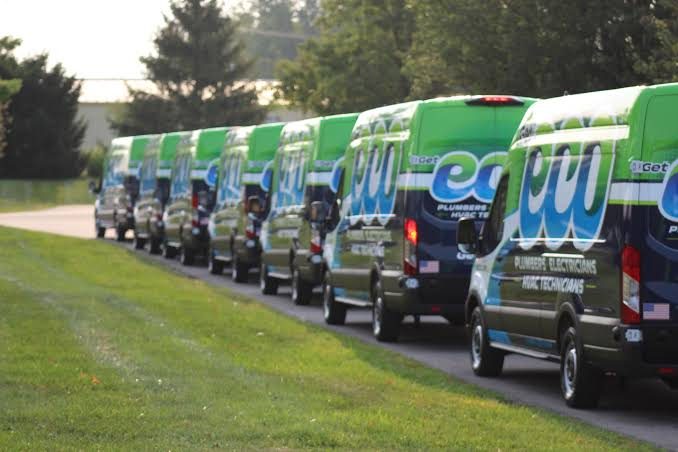 MULTI
MULTI HVAC
HVACNotice what’s not on your list: new processes, new software, extra work for your team, anything your techs or your office have to learn. There isn’t any. Your crew does their jobs exactly as they do today. The program runs entirely behind the scenes. Everything complicated lives on our side of the line, which is exactly why owning one is finally realistic for a shop your size.
Why it’s us
The trades built this country’s homes and kept them running. For generations, the people doing that work got treated like labor, while the financial tools that actually build wealth stayed locked up on the other side of some conference-room door. Captive structures. Reinsurance. The plays the big companies used for decades. Nobody was bringing those to the shop owner. Nobody thought the trades deserved them.
We did. Conduit was built by someone who grew up around the trade and went into reinsurance, who sat on both sides of that door and decided the tools shouldn’t belong to the big guys alone. Real structure, real expertise, built for the owner who earned it.
White-collar tools. Blue-collar hands. Finally on the same side of the door.
One more thing worth understanding, because it’s what separates an owned program from the handshake warranty most shops run: structure. A real captive is legally organized, properly capitalized, actuarially sound, and compliant with the rules that govern these programs. That’s not bureaucracy. It’s what makes it legitimate, what makes it hold up, and what makes it an asset instead of a liability.
It’s also why this isn’t a DIY project: doing it wrong is exactly what creates the risk sitting on so many shops’ books today. Doing it right takes real reinsurance and actuarial expertise. That’s the part we handle, and the part that took the big companies decades to figure out before anyone built it for the trades. The result: a program that’s genuinely yours, genuinely legitimate, and genuinely built to last. Not a workaround.
You own the warranty program your shop sells, through a properly structured entity built for that purpose (often called a captive). Instead of the warranty revenue and profit going to a third party, they stay in your business. Conduit handles the legal structure, compliance, actuarial work, and administration; you keep running your shop. The specific structure depends on your size and volume, which is what the first conversation sorts out.
A captive is a warranty or insurance program owned by the business it serves, rather than by an outside company. It’s the same approach large companies have used for decades to keep risk and profit in-house, built in this case for trades businesses.
About an hour to get set up. After that, the program is designed to run quietly in the background while you run your shop. The day-to-day doesn’t change.
No. Your techs and your office keep working exactly as they do now. There’s no new software, no new process, and nothing to learn. The program runs entirely behind the scenes.
Yes. A properly structured captive is legally organized, compliant, and professionally run, which is exactly what separates it from an informal in-house warranty. Doing it right is the whole value.
Apply, and we’ll walk you through it: whether it’s a fit, and exactly what the structure would look like for your size and volume.
A few questions, then you pick a time. We go through your numbers together, built around your shop, your volume, and where you are right now.
Now you’ve seen the whole thing: the model, the process, and who does the work (mostly us). What it looks like for your shop (your size, your volume, your number) is a conversation. If you’ve built something real, that’s the conversation to have.
Shops running an owned warranty program